







Search Results for: Coffee Bean Brewing
The Hot vs. Cold Pour-Over Coffee Debate: Why Choose Hot Brewing to Taste the Bean's True Flavor? The Principles of Japanese-Style Iced Pour-Over and Bean Selection Tips
Pour-over coffee, with its efficiency and convenience, has become a signature offering at many cafés. Brewed from the same bag of beans, hot and iced pour-over deliver completely different experiences. Drawing on everyday inquiries at Front Street stores, this article breaks down the differences between hot pour-over and Japanese-style iced pour-over in terms of grind size, water temperature, coffee-to-water ratio, and other parameters, explaining why hot pour-over has the edge when pursuing complete flavor, while also acknowledging the strengths of iced pour-over in cleanliness and refreshing crispness. At the end, it organizes pour-over bean recommendations from Front Street suited to different taste preferences—including Xizhua, Huakui, Strawberry Candy, as well as PWN Golden Mandheling, Queen's Estate, and Bird of Paradise—to help enthusiasts choose according to their needs. [more…]
How to Design a Pour-Over Recipe for Unfamiliar Coffee Beans: From Building a Brewing Framework to Precise Matching
When faced with a coffee bean you've never encountered before, how do you quickly develop a suitable pour-over plan? This article starts with simplifying the brewing framework and shares a practical method: first roughly categorize coffee beans by roast level, establish a highly versatile brewing plan for each category, and then identify where unfamiliar beans belong through flavor descriptions and bean color. As experience accumulates, gradually refine the categories, deriving medium roast from light roast and dark roast, and even making further adjustments for special varieties such as Geisha. Front Street Coffee uses its own two brewing plans as examples to show that by keeping the dose, ratio, and technique consistent and adjusting only the water temperature, grind size, and dripper, most beans can be handled. This approach not only reduces decision-making costs but also leaves room for subsequent optimization. [more…]
How to brew Yunnan Arabica coffee by hand so it tastes great? A full breakdown of water temperature, ratio, and brewing method
Yunnan small-bean coffee has attracted growing attention in recent years, yet many people feel the flavor just isn't right when brewing it at home. This article focuses on the key points of brewing Yunnan small-bean coffee, explaining why it is not suited to simply having water added and being drunk, why high-pressure machines tend to sacrifice sweetness, and why an American-style drip brewer is the more reliable choice. It also covers the fruity acidity and sweet aftertaste characteristic of Yunnan small-bean coffee, the difference in weight-loss effects compared with three-in-one instant coffee, and Yunnan's advantages as a golden coffee-growing belt. The article also retains recommendations related to Front Street Coffee, to help you understand the brewing logic of this bean more fully. [more…]
When encountering unfamiliar coffee beans for the first time, how to quickly find a suitable brewing recipe
When you bring home a bag of coffee beans you've never tried before, many coffee lovers find themselves at a loss: what temperature should the water be? How fine should the grind be? Especially when the beans are expensive, one failed brew means real money down the drain. Through practice, Front Street Coffee has distilled a simple approach: rather than trial-and-error on every new bean, first build a highly adaptable brewing framework, then match each bean to its proper slot based on its characteristics. This article focuses on the roast-level classification method, breaking down in detail the core differences between light and dark roasts in grind size, water temperature, and dripper choice, and further exploring the variables introduced by processing method and bean variety, to help you quickly lock in a preliminary plan when facing unfamiliar beans and minimize the odds of a disastrous brew. [more…]

A Complete Guide to the Classification of Hard Beans, Soft Beans, Flat Beans, and Round Beans: Flavor Characteristics of High-Grade Panamanian Coffee
Beyond varietal differences, coffee beans have multiple classification dimensions, which gives rise to many alternative names. This article begins with the appearance-based classification of flat beans and round beans, and focuses on answering the question coffee enthusiasts often ask: what exactly does "hard bean" mean? It originates from a grading system in Central American growing regions that classifies bean hardness by cultivation altitude—the higher the altitude, the greater the density and the higher the grade. The article also shares how to judge bean hardness by feel, the roasting and brewing strategies corresponding to coffee beans of different hardness, and uses actual brewing parameters as examples to illustrate the differences in extraction between high-hardness light-roasted beans and low-hardness dark-roasted beans, helping readers find a suitable brewing approach. [more…]
Master Freshness, Grind Size, Water Temperature, and Coffee-to-Water Ratio: Brewing Pour-Over Coffee from Four Major Regions—Yirgacheffe, Mandheling, Kenya, and Brazil
Yirgacheffe, Mandheling, Kenya, and Brazil are the four major coffee regions most familiar to coffee enthusiasts, and each has its own distinctive brewing approach. In this article, Front Street Coffee will explain the four key elements of pour-over brewing—freshness, grind size, water temperature, and coffee-to-water ratio—and provide specific brewing parameters and techniques for a representative bean from each of the four regions. The article will also cover the principles of bean resting and degassing, how to calibrate grind size using a standard sieve, and the taste differences brought about by different coffee-to-water ratios under the SCA Golden Cup extraction theory, helping you brew these four common single-origin coffees to taste even better. [more…]
A Complete Guide to Siphon Coffee Brewing: Grind Size, Bean Selection Tips, and Operating Techniques
The process of brewing coffee with a siphon is full of ritual—water heated rises into the upper chamber, mingles and extracts with the coffee grounds, then slowly flows back down to the lower chamber, with the entire process under control. This method is especially suitable for single-origin beans and blended beans that are not heavily roasted, and can fully showcase the coffee's aroma and rich body, particularly those beans that have bright fruity acidity combined with a mellow flavor. This article will introduce in detail the pre-brewing preparation for the siphon, the standard brewing steps, and eight practical tips, while also answering common questions such as coffee bean grind size and the direction for choosing beans, and includes Front Street Coffee's bean recommendations for the reference of coffee enthusiasts. [more…]
How to Choose Washed Coffee Beans: How Brewing Gear, Parameters, and Bean Flavor Work Together
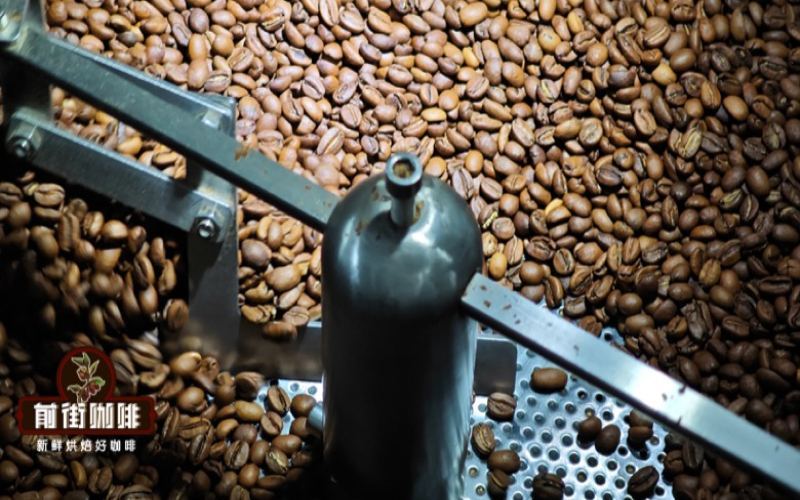
The same beans will perform noticeably differently in different brewing devices. Pour-over emphasizes aroma and clarity, espresso machines highlight intensity and sweetness, while a moka pot requires balancing pressure, heat, and the coffee bed. Bean selection cannot be separated from the brewing device, and the parameters should also be adjusted accordingly based on the roast level of the beans. Pour-over flavor is mainly determined by origin and... [more…]
The Complete Guide to Indonesian PWN Golden Mandheling Pour-Over: Parameters, Technique, and Flavor Analysis
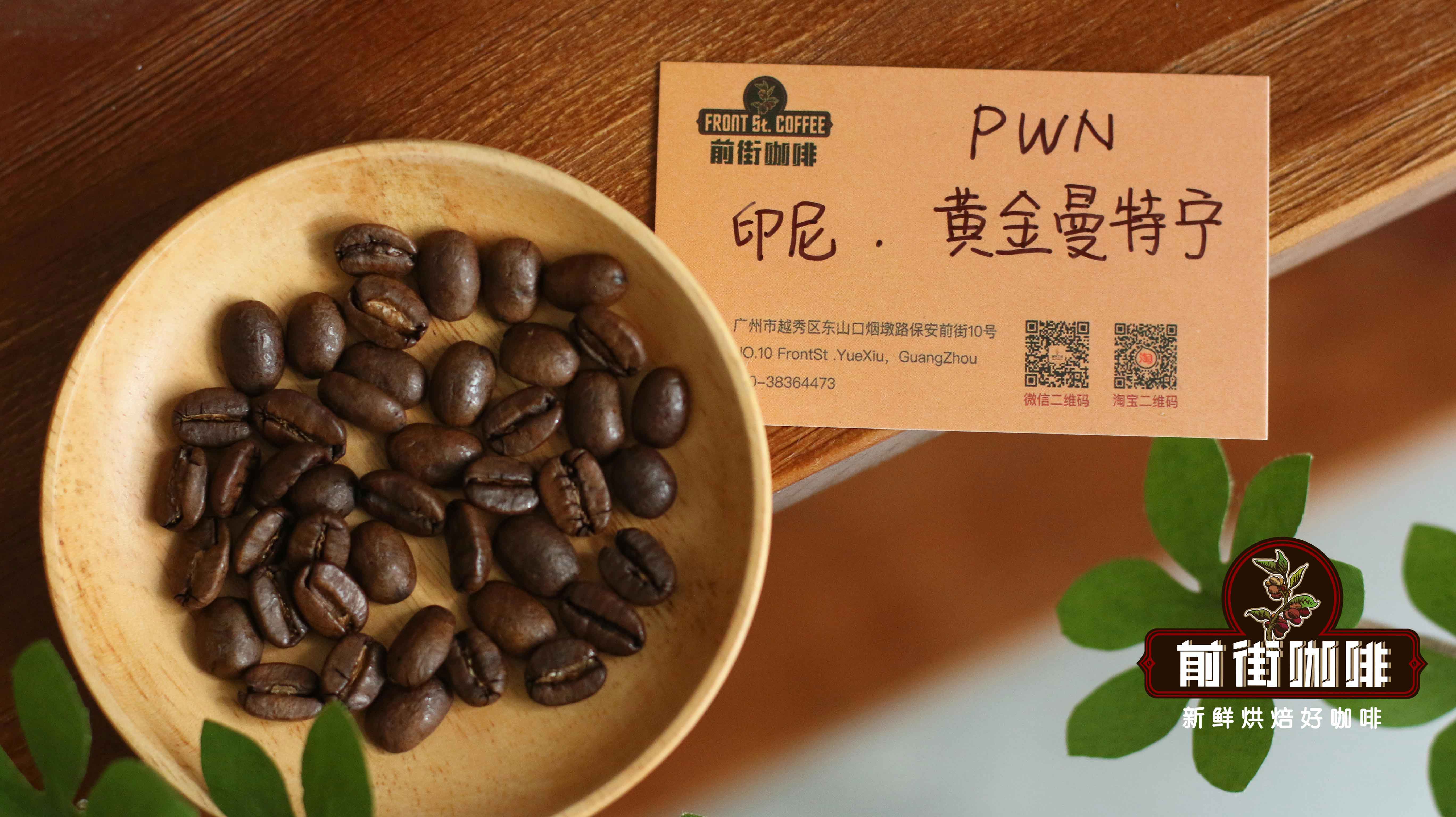
The Golden Mandheling produced by Indonesia's PWN company has always been the benchmark among Mandheling coffees, yet many coffee enthusiasts find it difficult to replicate the taste they enjoy in cafés after buying the beans. Drawing on Front Street Coffee's hands-on experience, this article systematically breaks down the seven key elements of pour-over brewing for Golden Mandheling, covering bean freshness, grind size, water temperature, water quality, dripper selection, coffee-to-water ratio, and brewing time, while detailing each step of the three-stage pouring technique. It also provides Front Street's specific brewing parameters and flavor description for this medium-dark roasted bean, helping you brew a cup of Golden Mandheling that is rich, clean, and layered with complexity. [more…]
Brazilian Coffee Bean Grading Standards, Flavor Analysis by Region, and Key Brewing Points for Red Bourbon
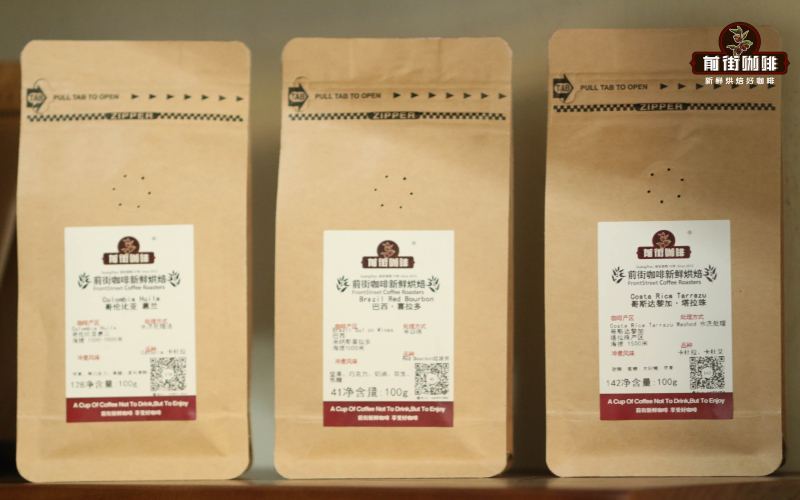
Brazil is a major global coffee producer and the second-largest coffee-consuming market after the United States, and fluctuations in its bean prices sway international markets. Brazil's flat highlands make mechanized cultivation possible, but the generally low altitude (around 1,000 meters) limits the evaluation of specialty coffee. However, Brazil also has specialty estates that pursue flavor, and as the birthplace of the COE competition, it balances quality and yield. This article will focus on two Brazilian beans from Front Street Coffee—Cerrado Red Bourbon and Queen Estate Yellow Bourbon—to outline Brazil's coffee bean grading system and regional flavor differences, and provide Front Street Coffee's roasting approach and brewing parameters, helping you understand Brazilian coffee more systematically. [more…]

From TOH Champion to the Huakui Series: The Rise and Flavor Evolution of Ethiopian Hambela Natural Coffee Beans
On the stage of specialty coffee, the Huakui coffee beans from the Hambela region of Ethiopia shot to fame with the title of champion of the 2017 TOH natural group, and subsequently gained even greater renown when a barista defeated Geisha in a brewing competition. This bean not only witnessed the rise of the Hambela region, but also gave rise to the Huakui X.0 series and the small-bean Huakui offshoot. This article will trace the historical development of Huakui, compare the flavor differences among different batches, and share Front Street Coffee's brewing insights on Huakui and Huakui 5.0, taking you deeper into the unique charm of this African natural-process bean. [more…]
Ethiopia Guji Uraga TOH Washed Champion Bean Flavor Analysis and Complete Brewing Parameters Guide
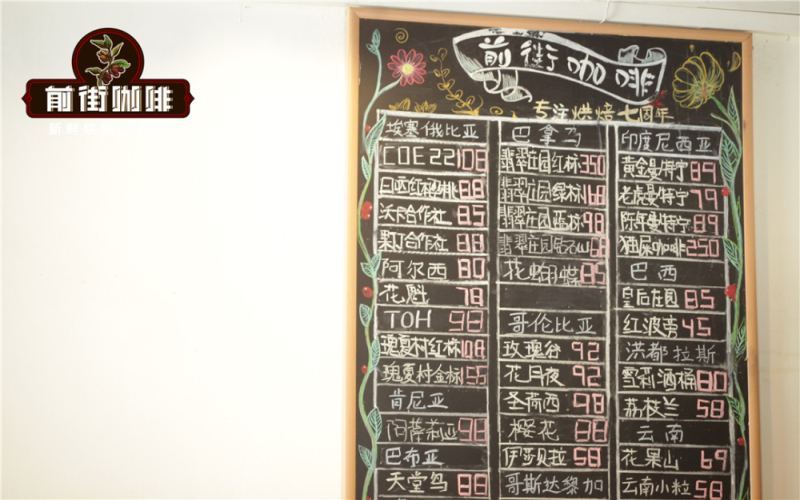
This coffee bean from Uraga in Ethiopia's Guji region took first place with 89.8 points in the washed group at the 2020 Taste of Harvest (TOH) competition in East Africa. Front Street Coffee has specially put together for coffee lovers an overview of this champion bean's growing region background, processing method, roasting approach, and brewing plan. Uraga town sits at an altitude of 2,300 meters and has fertile black soil along with a rich genetic potential for fruit flavors. After meticulous washing at the Sela Gajaba processing station, it displays the traditional Ethiopian floral aroma, citrus, and tea-like notes, while cleanliness is greatly improved. To preserve its clear mouthfeel, Front Street Coffee's roaster focused on amplifying the white floral and fruit notes, and developed targeted pour-over parameters to highlight the core flavors of jasmine, pomelo, honey, and green tea. [more…]
Ethiopia Guji Uraga Washed Beans: Flavor and Brewing Analysis of the TOH Champion with 89.8 Points
TOH stands for the Taste of Harvest competition, a green coffee cupping event initiated by the African Fine Coffees Association, and is ranked alongside Brazil's Cup of Excellence. In 2020, this washed bean from the Uraga sub-region of Ethiopia's Guji producing area won the washed group championship with a score of 89.8. It was carefully washed at the Sela Gajaba processing station at an altitude of up to 2,300 meters, displaying rich layers of jasmine, lemon, berry, pomelo, honey, and green tea. The roaster at Front Street Coffee used a Yangjia 800N roasting machine, adjusting the dehydration phase and first crack time to preserve its clean mouthfeel and white floral and fruity notes. For brewing, a coarser grind, 91°C water temperature, and a three-stage pour are used to highlight the floral and citrus juice character. This article will provide a complete analysis of this champion bean's origin background, processing method, roasting curve, and brewing parameters. [more…]
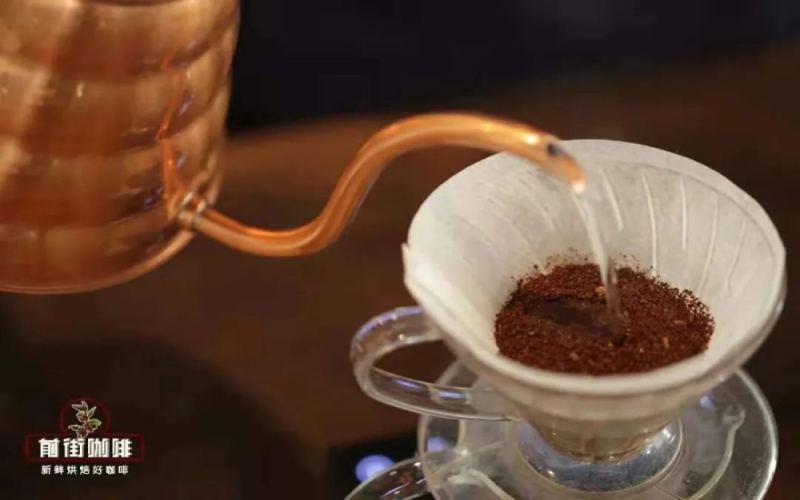
How to Set Parameters for Light-Roast Pour-Over Coffee? A Practical Brewing Approach Starting from Bean Information
When faced with a bag of coffee beans they have never encountered before, many people's first instinct is to ask others, "How should I brew this coffee?" Front Street Coffee often receives inquiries like this, but rather than giving a fixed answer every time, it is better to master a method for deriving the parameters yourself. Based on Front Street's practical experience, this article teaches you how to judge the suitable grind size, water temperature, and brewing approach through the origin, processing method, flavor description, and roast level on the packaging label. Whether it is light roast, medium roast, or dark roast, as long as you understand the logic behind the bean information, you can say goodbye to the "fear of unfamiliar beans" and make every cup of pour-over have a basis to follow. [more…]
Analysis of Costa Rican Specialty Coffee Bean Origins, Mirazu Geisha Blend Flavor, and Brewing Key Points
Costa Rica is located in southern Central America, and the coffee it produces is similar in quality to Colombian coffee, often used in coffee blends. This article will walk you through the bean size, acidity, and aroma characteristics of Costa Rican coffee, as well as the impact of high-altitude cultivation on flavor, with a special focus on the flavor profile of Mirazu Geisha blend coffee beans. At the end of the article, we've also compiled nine key points to note when brewing coffee, including water temperature, water quality, grind size, and recommended dosage, to help you consistently extract a delicious cup at home. If you're a fan of specialty coffee, this bean recommended by Front Street Coffee is a great place to start. [more…]
An Analysis of Brazilian Coffee Bean Flavor Characteristics and a Brewing Guide for Medium-Roast Semi-Washed Beans
Brazil is the world's largest coffee producer and the second-largest coffee-consuming market after the United States, and fluctuations in its output directly influence international coffee futures trends. Brazilian coffee is known for its high volume and stable flavor, which benefits from its flat plateau terrain and conditions suited to mechanized operations. Although its average growing altitude of only about 1,000 meters makes it difficult to rank among the top specialty coffees, Brazil also has specialty estates that pursue flavor and is the birthplace of the COE competition. Front Street Coffee currently has two Brazilian beans: Cerrado, representing the flavor of a basic producing region, and Queen Estate Yellow Bourbon, representing a specialty estate. This article will systematically introduce the flavor characteristics of these two beans, Brazil's coffee bean grading system, and Front Street's brewing plan for medium-roast Brazilian beans, helping enthusiasts gain a comprehensive understanding of the appeal of Brazilian coffee. [more…]
Exploring Ethiopian Coffee Culture: How to Drink Yirgacheffe? From Bean Selection to Brewing in One Guide
Ethiopia is the birthplace of coffee, and Yirgacheffe is the first stop for countless coffee lovers entering the world of specialty coffee. This article will guide you through Ethiopia's coffee culture, break down the unique terroir and processing methods of the Yirgacheffe region, and walk you step by step through how to select and brew a delicious cup of Yirgacheffe. Whether you're a newcomer just getting into specialty coffee or a seasoned enthusiast looking to deepen your understanding of regional flavors, you'll find practical advice and inspiration here. Front Street Coffee will also share the brewing flavors and techniques for several Yirgacheffe everyday beans, helping you easily begin your coffee exploration journey. [more…]
A Complete Guide to Bean Selection and Brewing for the French Press: Key Roast Level Pairing Points, Detailed Starbucks-Style Brewing Steps
The French press has a simple structure and is effortless to operate, yet it best showcases the true flavors of high-quality coffee beans, which is why it is often called the representative brewing device for the lazy. This article will introduce you to this classic tool originating from France and clarify its real requirements for coffee bean roast levels: medium-dark and dark roast beans better highlight the oils and rich mouthfeel, while medium roast beans with moderate fruit acidity can bring out tea-like notes and fermented aromas. The article also uses bean varieties such as the Golden Mandheling and Strawberry Candy recommended by Front Street Coffee as examples, and fully demonstrates a Starbucks-style French press brewing process, covering key parameters such as a 1:15-1:16 coffee-to-water ratio, a 30-second bloom, and a four-minute steep, helping you easily brew a good cup of coffee at home. [more…]
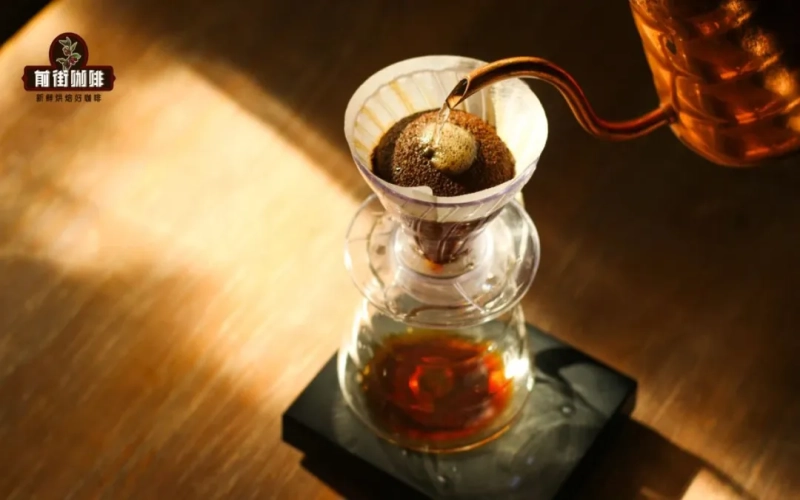
Analysis of Flavor Differences Between Hot and Iced Pour-Over Coffee: Extraction Yield, Water Temperature Ratio Parameters, and Tasting Experience Comparison
When tasting a new bean, why is it recommended to choose a hot brew first? This article delves into the flavor differences of black coffee made by pour-over, French press, siphon, and other methods under hot brewing and iced brewing from the perspectives of extraction yield, concentration, water temperature parameters, and so on. Taking pour-over coffee as an example, the article specifically compares the different settings of hot brewing and iced brewing in terms of coffee-to-water ratio, grind size, water temperature, and other parameters, and explains why iced brewing often requires sacrificing part of the extraction yield in exchange for higher concentration. At the same time, it also explores the influence of temperature on aroma, taste, and aftertaste, explaining why hot coffee can more fully present the complete picture of a bean. [more…]
Pour-Over Coffee Bean Recommendation: Flavor Profile and Brewing Parameters of Tanzania Kilimanjaro AA
For enthusiasts who prefer African coffee but worry about acidity being too sharp, the Tanzania growing region offers a just-right balanced choice. After repeated cupping and brewing comparisons among numerous Tanzanian beans, Front Street Coffee ultimately selected Front Street Kilimanjaro Coffee for the shelves. This bean comes from the Kilimanjaro volcanic region, uses washed processing, is graded AA, and is of the Bourbon variety. It presents a full body, soft fruit acidity, and a delicate, lingering finish, and is called the "Coffee Gentleman." This article will provide a complete analysis of the flavor logic of this bean, from the growing region background, variety characteristics, processing method, and roasting curve to brewing parameters, and will offer Front Street Coffee's practical recommendations. [more…]